How Orthotics Help After Stroke
A stroke can interrupt the nerve pathways that control movement, leading to weakness, altered muscle tone and changes in posture. Orthotic devices provide external support to guide movement, protect joints and reduce the effort needed to walk or use the upper limb. They can also help prevent long‑term complications such as contractures.
Orthotics are most commonly used to support:
-
Foot drop
-
Knee instability
-
Upper‑limb weakness
-
Spasticity and contractures
Each device is designed around the individual’s goals, muscle function and gait pattern.


Foot Drop After Stroke
Foot drop is one of the most common mobility problems after stroke. It occurs when the muscles responsible for lifting the front of the foot become weak, causing the toes to catch on the ground when walking. This can lead to tripping, slower walking, and increased fatigue.
How Orthotics Help
An Ankle–Foot Orthosis (AFO) holds the foot in a safe, neutral position so the toes clear the ground during walking. This improves:
-
Walking speed
-
Stability and balance
-
Confidence on uneven surfaces
-
Safety by reducing trips and falls
Different types of AFOs are available depending on muscle strength, spasticity, and activity level, from lightweight carbon devices to more supportive solid‑ankle designs.

Contractures and Spasticity
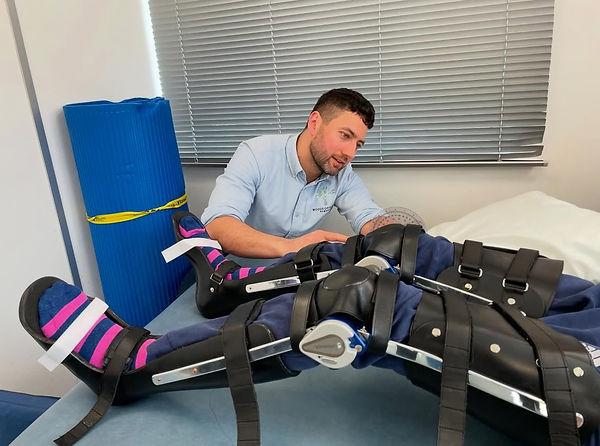
After stroke, some people develop spasticity: involuntary muscle tightness that pulls joints into stiff or uncomfortable positions. If a limb stays in one position for too long, the surrounding tissues can shorten, leading to contractures. Contractures can make dressing, washing, sitting and walking more difficult.
How Orthotics Help
Orthotic devices can:
-
Provide prolonged, gentle stretch to tight muscles
-
Maintain joints in a functional position
-
Reduce pain caused by abnormal posture
-
Improve ease of care for carers and family
-
Prevent contractures from worsening over time
Splints may be used for the wrist, hand, elbow, knee or ankle depending on the pattern of spasticity.
Upper Limb Weakness and Contractures
Weakness in the shoulder, elbow, wrist or hand is very common after stroke. This can affect daily tasks such as dressing, eating, and gripping objects. Spasticity may also pull the arm into uncomfortable positions, increasing the risk of contractures.
How Orthotics Help
Upper‑limb orthoses can:
-
Support the wrist and hand in a functional position
-
Reduce tightness and improve comfort
-
Assist with grasp and release
-
Protect joints during rehabilitation
-
Help maintain range of motion
-
Support shoulder joint
These devices are often used alongside physiotherapy, occupational therapy and task‑specific training.

A Personalised Approach
Every stroke survivor presents differently. That’s why orthotic treatment begins with a detailed assessment of:
-
Muscle strength
-
Range of movement
-
Spasticity
-
Gait pattern
-
Functional goals
-
Comfort and skin integrity
From there, a bespoke device is designed and fitted, with adjustments made over time as recovery progresses.

Supporting Recovery and Independence
Orthotics do more than improve movement. They help people feel safer, more confident and more able to participate in everyday life. Whether it’s walking further, reducing pain or simply feeling steadier on their feet, the right orthotic support can make a meaningful difference.
If you or someone you care for is experiencing mobility difficulties after a stroke, our team can provide expert assessment and custom‑made orthotic solutions tailored to individual needs.